
Jaiswan Sentenced to 10 Years in Prison for $63 Million Fraud Scheme
Detroit Rapper Faces Major Consequences in Massive Federal Fraud Case
What’s good, family? It’s DJ Ms. Hypnotique, and today we’re talking about a story that’s sending shockwaves through both Detroit’s streets and the hip-hop community.
Detroit rapper Jaiswan has officially been sentenced to 10 years in federal prison for his role in a massive $63 million fraud scheme that investigators say involved stolen checks, money laundering, and online marketplaces used to sell stolen financial instruments. Federal authorities described Jaiswan as a key figure in the operation, which reportedly generated millions of dollars through illegal transactions and fraudulent activities.
The case serves as another reminder that the line between internet hustles and federal crimes is one that can quickly lead to serious consequences.
Who Is Jaiswan?
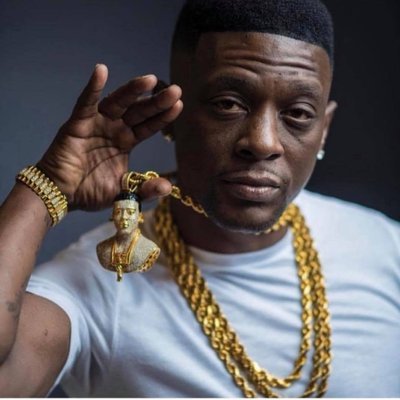
Jaiswan Williams, a Detroit-area rapper from Rochester Hills, built a following through his music and social media presence. While many artists use their platforms to promote music, merchandise, and business ventures, federal prosecutors allege that Jaiswan used online channels for a much different purpose.
According to court documents, investigators identified him as one of the leaders behind an operation that sold stolen checks obtained from the U.S. mail system. Authorities say the scheme operated for years and involved multiple individuals working together to steal, advertise, and distribute negotiable financial instruments.

How the $63 Million Fraud Scheme Worked
Federal investigators say the operation centered around stolen checks taken from the mail system. The checks included tax refund checks and other negotiable instruments with significant monetary value. Prosecutors allege that former postal employees helped divert the checks before passing them along to members of the conspiracy.
Once the checks were obtained, authorities say they were advertised through Telegram channels with names such as “Whole Foods Slipsss” and “Uber Eats Slips.” The channels allegedly marketed thousands of stolen checks to buyers across the country.
Investigators estimate that more than 10,000 stolen checks were offered for sale, carrying a combined face value exceeding $63 million. Buyers reportedly purchased the checks at discounted rates and then attempted to cash them through various fraudulent methods.
Federal officials also stated that Jaiswan accepted responsibility for approximately $1.5 million in fraudulent pandemic unemployment claims connected to the broader investigation.
The Sentencing Decision
This week, a federal judge sentenced Jaiswan to 122 months in prison, which translates to just over 10 years behind bars. The sentence makes him the final defendant in the case to receive punishment.
Several co-defendants had already been sentenced earlier:
- Daquan Foreman received 48 months in federal custody.
- Vanessa Hargrove received 12 months and one day.
- Crystal Jenkins received one day in custody followed by supervised release.
Federal prosecutors argued that Jaiswan played a leadership role in the conspiracy, making his sentence significantly longer than those of some of the other defendants. Court records also indicate that he pleaded guilty to money laundering charges in addition to conspiracy-related offenses.

The Bigger Picture
Federal fraud investigations have increased in recent years, especially those involving pandemic-related benefits, mail theft, wire fraud, and financial crimes conducted through online platforms. Agencies continue to invest resources into tracking digital evidence and following money trails across multiple payment systems.
For Jaiswan, the sentencing closes a major chapter in a case that attracted attention throughout Detroit and beyond. For others watching from the sidelines, it serves as a warning that large-scale fraud operations can carry penalties measured in years, not months.
Final Thoughts from DJ Ms. Hypnotique
The Jaiswan story is one of those situations where talent, influence, and opportunity collided with poor decisions and federal scrutiny.
A 10-year prison sentence is life-changing. While the music industry often celebrates hustle and ambition, this case reminds us that there is a major difference between building wealth and breaking federal law.
As more details continue to emerge about financial crimes connected to social media and digital platforms, one thing remains clear: the federal government is paying attention, and the consequences can be severe.
Stay locked in with DJ Ms. Hypnotique for more breaking hip-hop news, culture updates, and stories shaping the music industry.