
George Clinton Sues Universal Music Group Over Allegedly Withheld Royalties
Article By: DJ Ms. Hypnotique
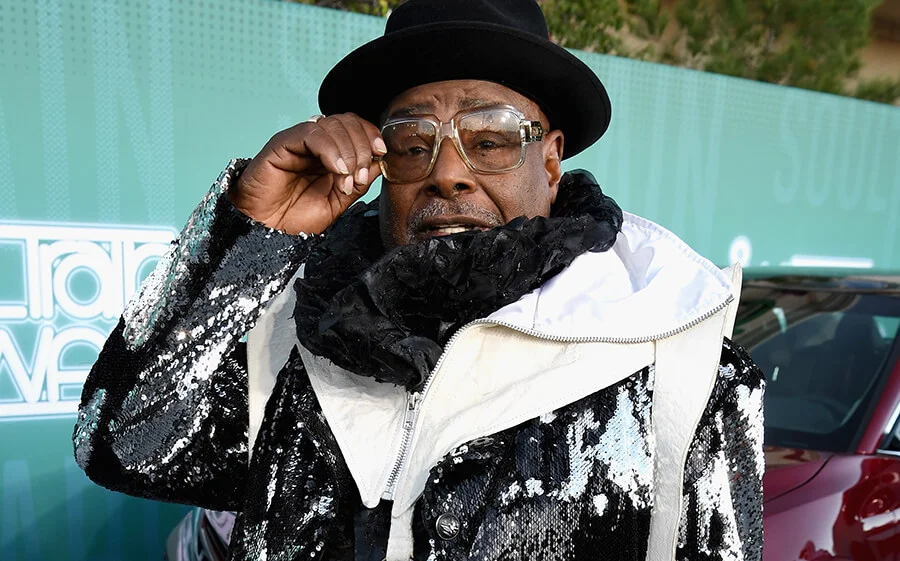
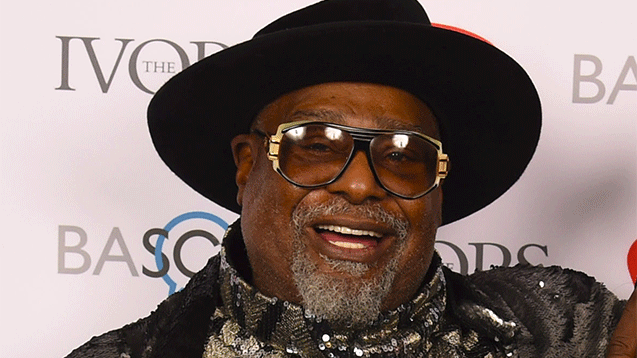
The music industry is dealing with another major legal battle, and this time funk legend George Clinton is taking aim at Universal Music Group. According to reports, Clinton filed a lawsuit accusing UMG of withholding more than $1.1 million in royalty payments tied to his legendary catalog.
For artists, producers, DJs, and independent creators watching from the sidelines, this lawsuit feels bigger than just one artist versus one label. It taps into a long-running conversation about music ownership, streaming money, contracts, and whether legendary artists are truly getting paid what they deserve.
And if you know anything about George Clinton’s impact on music culture, then you already know this situation has the industry talking.
George Clinton Accuses UMG of Withholding Royalties
Reports state that George Clinton filed the lawsuit in federal court alleging that Universal Music Group froze royalty payments connected to multiple royalty accounts for more than three years. Clinton claims the withheld amount now exceeds $1.1 million.
According to the lawsuit, the royalty freeze allegedly stems from a separate legal dispute involving the estate of late Parliament-Funkadelic keyboard legend Bernie Worrell. Clinton’s legal team argues that withholding all payments during that dispute violated contractual agreements.
The complaint reportedly covers royalties tied to agreements dating back decades, including solo work, collaborations, and Parliament-Funkadelic recordings.
For fans of funk, hip hop, and sample-heavy music culture, this lawsuit hits differently because George Clinton’s catalog helped shape generations of artists.
The Music Industry Keeps Facing Royalty Lawsuits
George Clinton’s legal battle is not happening in isolation. Over the last few years, multiple artists have publicly accused labels and distributors of withholding royalties or mishandling accounting practices.
Even major acts have challenged record companies over streaming revenue, licensing rights, and royalty transparency. Recent lawsuits involving legacy artists continue to shine a spotlight on old contracts colliding with new digital business models.
For independent artists watching this unfold, the message feels clear: understanding contracts and ownership matters more than ever.
Streaming changed the music business completely. While music reaches global audiences faster now, many artists still claim they struggle to fully understand how royalty payments are calculated.
That frustration continues fueling legal disputes across the industry.
Hip Hop and Funk Fans Are Watching Closely
Social media reactions to the lawsuit started spreading quickly after reports surfaced online. Fans, DJs, producers, and music insiders immediately began debating artist rights, publishing ownership, and how labels handle legacy catalogs.
Some supporters argue that artists who built music culture should never have to fight for royalty payments this late into their careers.
Others point out that music contracts signed decades ago often contain complicated clauses that still impact artists today.
Either way, this lawsuit has reopened conversations that the industry never fully resolved.
And honestly, younger artists should pay attention.
Because today’s independent creators are navigating many of the same issues in a digital format. Whether it is streaming splits, publishing percentages, distribution agreements, or licensing rights, understanding business paperwork is becoming just as important as creating hits.
What Happens Next in the Lawsuit?
At this stage, the lawsuit is still developing. Universal Music Group has not publicly responded in full detail to all allegations connected to the case.
If the case moves forward aggressively, it could reveal more information about royalty accounting practices, payment freezes, and how labels handle disputed ownership claims tied to legendary catalogs.
That possibility alone has industry observers paying attention.
Cases like this often take months or even years before reaching final resolutions. However, the public conversation surrounding artist compensation is already growing louder.
For George Clinton, this lawsuit represents more than money. It is another chapter in a decades-long fight surrounding ownership, publishing rights, and protecting a musical legacy that helped define modern culture.
Final Thoughts
George Clinton helped create a sound that influenced generations of artists across funk, hip hop, R&B, and pop music. Now, one of music’s most influential pioneers is once again fighting inside the courtroom over royalties connected to that legacy.
Whether this lawsuit ends in settlement, dismissal, or a major courtroom battle, one thing is certain: the music industry’s conversations about ownership and artist compensation are far from over.
And in an era where artists are finally demanding transparency, this case could become another major moment in the ongoing fight for creators to fully control and profit from their work.
Stay locked in because this story is definitely one to watch.