
Coach Stormy Sued by FTC: What the Lawsuit Means for Her Brand
If you’ve been scrolling social media lately, then you already know the streets are talking — and this time, the conversation is serious.
Coach Stormy, also known as Stormy Wellington, is facing a lawsuit from the Federal Trade Commission (FTC).
The case is already sparking debate across influencer culture, entrepreneurship circles, and social media business spaces. And let’s be real: when a personality as loud, luxe, and larger-than-life as Coach Stormy lands in federal legal headlines, the internet is going to stop and stare.
For those who know the brand, Coach Stormy built a reputation around high-energy motivation, luxury lifestyle branding, and business empowerment messaging. She became a recognizable figure online by selling the image of success, discipline, and boss-level elevation. Now, critics and regulators are examining that same brand image under a much different spotlight.
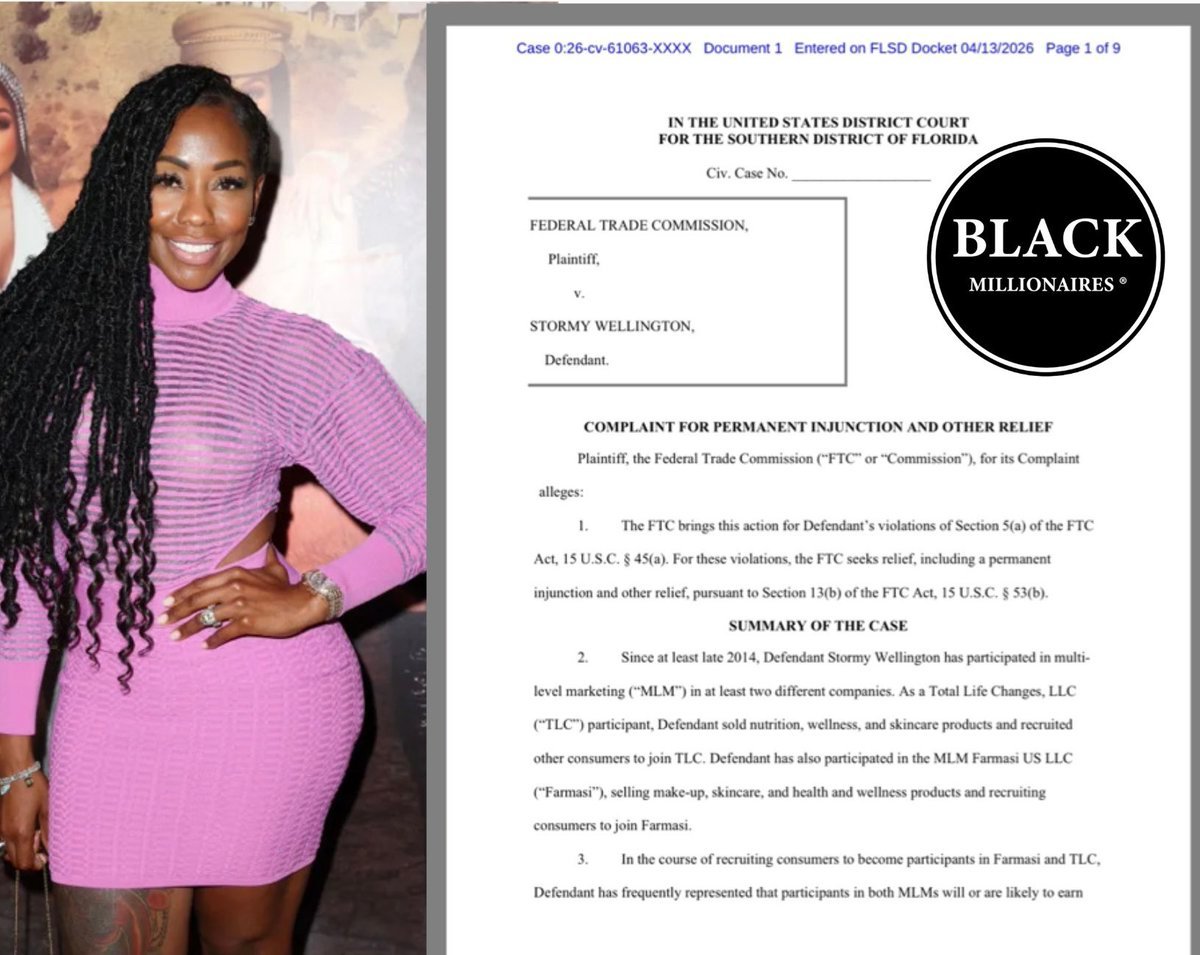
According to the FTC’s legal library, the case listed as “Wellington, FTC v.” says the agency alleges Stormy Wellington used deceptive earnings claims to recruit new members into two multi-level marketing companies. The matter is listed as a pending federal case and was updated on April 13, 2026.
That alone is enough to shake the room.
But once you dig deeper into the court filing, the story gets even more layered.
Now let’s break it down in plain language — because this isn’t just gossip, this is a federal legal matter.
A stipulated order for permanent injunction and other relief filed in the U.S. District Court for the Southern District of Florida states that the FTC filed a complaint against Stormy Wellington under Section 13(b) of the FTC Act. The filing says the complaint alleges she engaged in deceptive acts or practices by making false or misleading income representations.
In short: the government is saying the earnings promises tied to business opportunities were allegedly misleading.
The filing specifically defines “Business Venture” broadly and notes that the definition includes multi-level marketing programs. It also identifies participants connected to Total Life Changes and Farmasi, two companies mentioned in the order.
The most important part? The proposed restrictions in that order are serious.
According to the filing, Stormy Wellington would be permanently restrained from making or helping others make misleading statements about:
- How much participants are likely to earn
- Any specific level of income or compensation
- What she or others actually earned
- Why participants did not earn substantial compensation
- Other material facts tied to the business opportunity
The order also says that if she makes any earnings representation in the future, it must be non-misleading, supported by written substantiation, and that the evidence must be available upon request.

The Bigger Lesson for Influencers, Coaches, and Online Entrepreneurs
If you’re in content, media, coaching, music promotion, or digital business — yes babe, this is one of those stories you need to study.
Here’s the real takeaway:
Inspiration is not the same as a guarantee.
You can motivate people.
You can share your story.
You can show results.
You can teach strategy.
Final Thoughts: Is This a Setback or a Turning Point?
Right now, the headlines are hot, the blogs are spinning, and the comments are already doing what comments do best — picking sides before the dust settles.
But from a journalist’s lens?
This is bigger than a viral scandal.
The Coach Stormy sued story is a major reminder that the digital hustle era is entering a new chapter — one where regulators are looking harder at what’s being promised, how it’s being sold, and whether the public is being misled along the way.
For Stormy Wellington, this could become one of two things:
- A major reputational setback
or - A turning point that forces a reset in how her business messaging moves forward
Either way, the culture is watching.
And if you’re in the business of branding, influence, or monetizing your platform, this is your cue to tighten your language, protect your receipts, and remember that in 2026, flashy marketing may get the clicks — but compliance keeps you out of court.
One thing is for sure: this story is far from over.